Microneedling vs. Chemical Peels for Acne Scars and Skin Texture
Compare SkinPen microneedling and chemical peels for acne scars, texture, tone, and treatment planning at Ella Skin in Chevy Chase, MD.
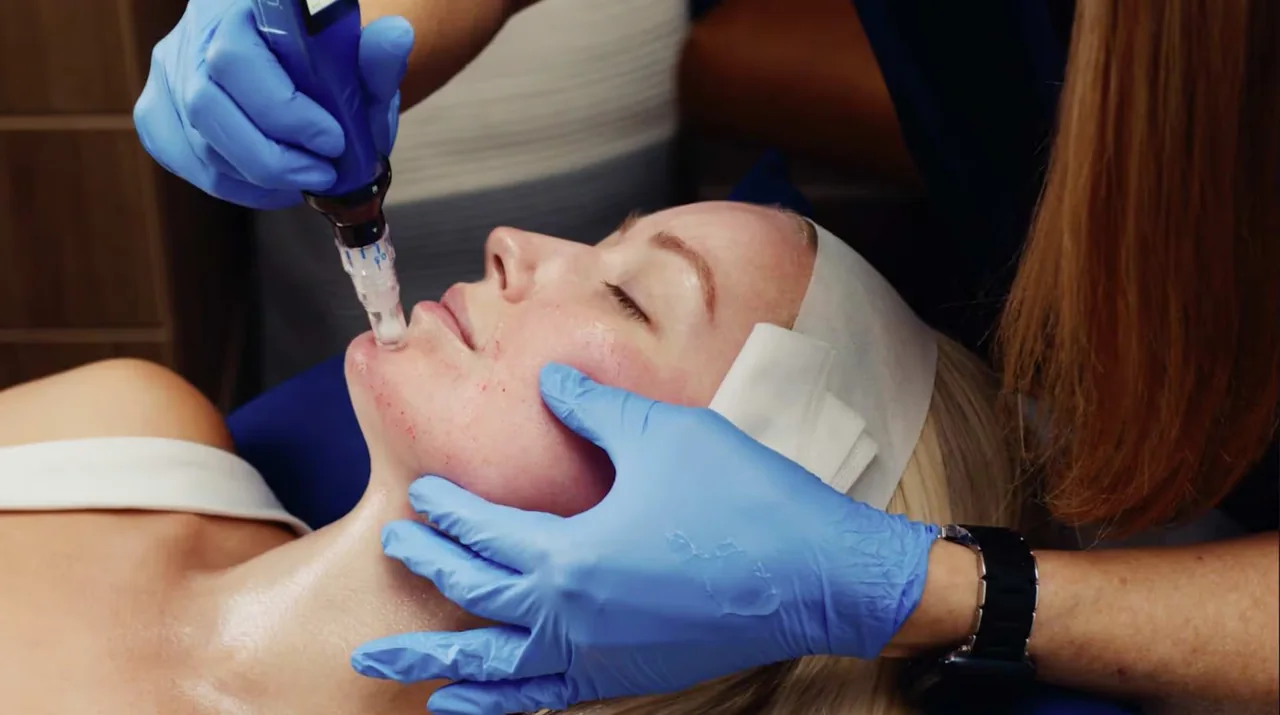
Both microneedling and chemical peels resurface the skin and improve texture, scarring, and tone, so it is easy to assume they are interchangeable. They are not. They work through completely different mechanisms, suit different skin types and concerns, and come with different downtime. Here is how we decide between them in our studio.
Summary
For indented acne scars, enlarged pores, and overall texture, microneedling usually has the edge because it rebuilds the skin’s structure from underneath. For surface tone, dullness, sun damage, and fine pigmentation, a chemical peel often wins because it works from the top down. Many people benefit most from a plan that uses both over time, spaced correctly.
Read below to understand why, and why the wrong choice for your skin type can mean irritation instead of results.
How microneedling works
Microneedling uses a device with fine needles to create thousands of tiny, controlled microchannels in the skin. Those micro-injuries trigger the body’s natural wound-healing response, stimulating fresh collagen and elastin as the skin repairs itself. In addition, the boost of fresh collagen and elastin produces significant tightening of the skin and improves its texture. That rebuilding from underneath is what makes it effective for indented scarring and texture that surface treatments cannot reach.
We use SkinPen®, the first FDA-cleared microneedling device. Because it works by stimulating collagen rather than chemically exfoliating, it is generally well tolerated across a wide range of skin tones.
In our studio, clients dealing with scarring typically begin to see improvement after a series of at least three to four sessions, spaced about a month apart. Over that series, the depth of scars is reduced, skin texture looks smoother, and overall tone becomes more even.
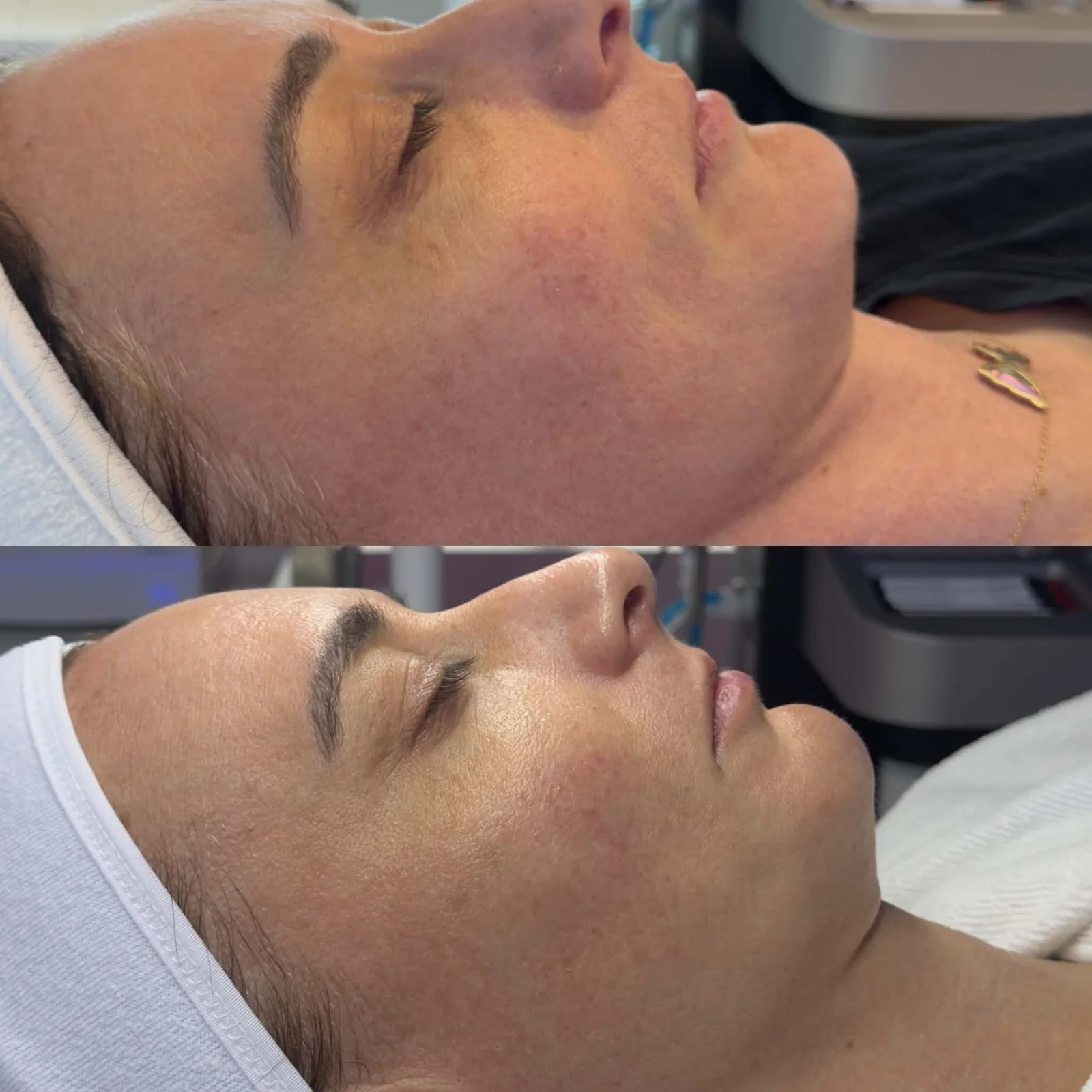
How chemical peels work
A chemical peel applies a solution, typically acids such as glycolic, salicylic, lactic, or a blend, that dissolves the bonds between dead surface cells, prompting the outer layer to shed and reveal fresher skin beneath. Peels are categorized by depth: superficial peels refresh tone and brightness with little downtime, while deeper peels address more significant pigmentation and damage with more recovery.
Because they work from the surface down, peels excel at tone, dullness, sun damage, congestion, and pigmentation, which are concerns that live in the upper layers of the skin. The peels we offer include:
- The Perfect Derma Peel®: A versatile peel that can be customized with targeted boosters depending on your specific concern.
- The Enlighten Peel by Revé® Institute: Our first choice for stubborn hyperpigmentation and melasma.
- The Sensi Peel® by PCA Skin®: A milder, gentler formula with minimal downtime for lighter exfoliation. It can be added to other facial treatments, though not microneedling or other peel brands.
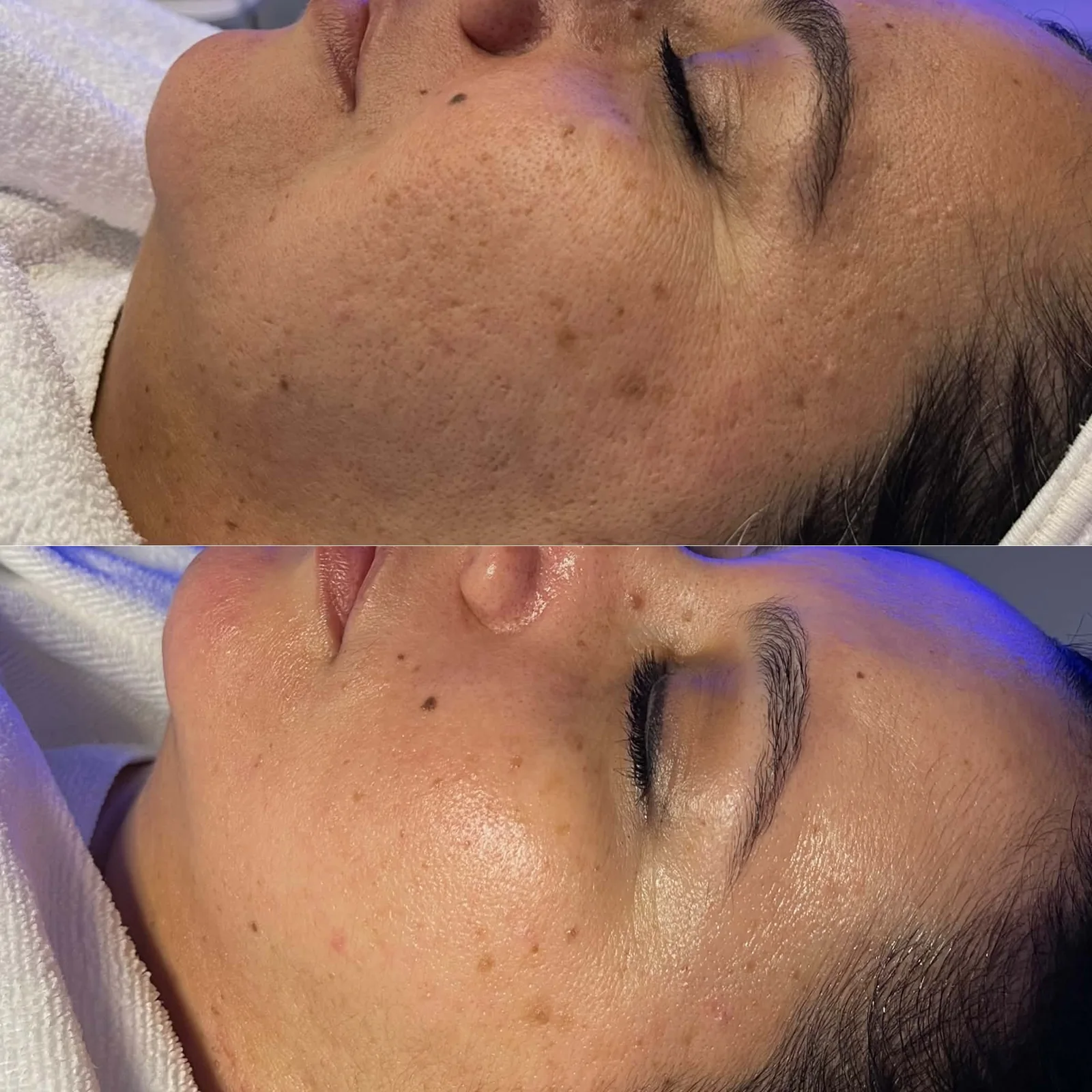
A note on deeper skin tones. For clients with richer skin, pretreatment is essential. Being on a pigment-inhibiting product before a chemical peel or microneedling suppresses the melanocytes, the cells that produce pigment in the epidermis, so they are less likely to react over a series of treatments. This is one of the main reasons an in-person assessment matters before we begin.
Head to head
| Microneedling (SkinPen®) | Chemical Peel | |
|---|---|---|
| How it works | Microchannels trigger collagen rebuilding from underneath | Acids exfoliate and shed the surface layer from the top down |
| Best for | Indented acne scars, enlarged pores, texture, fine lines | Tone, dullness, sun damage, pigmentation, congestion |
| Works at | Deeper: the skin’s structural layer | Surface: the outer layers |
| Downtime | Approximately 24-72 hours of redness; makeup is usually fine after 24 hours | Varies by depth, from none to several days of peeling |
| Typical plan | Series of three or more for scarring | Single treatment or a series, depending on the concern |
| Sensation | Light pressure or vibration; numbing is used | Tingling or warmth during application |
Which one is right for you?
Lean toward microneedling if you:
- Have indented or “rolling” acne scars
- Want to improve overall texture and pore size
- Are targeting the skin’s structure, not just its surface
- Want an option that is gentle across a range of skin tones
Lean toward a chemical peel if you:
- Want to brighten dull or uneven tone
- Are treating sun damage or surface pigmentation
- Have congestion or want a quick refresh
- Prefer a treatment with minimal or no downtime, such as a superficial peel
How we decide in the room. It comes down to your primary concern. But when I see a mix, such as congested pores, hyperpigmentation, fine lines, and wrinkles, I will often recommend a chemical peel first to reset the surface of the skin, then move into a series of microneedling sessions to rebuild what is underneath.
Can you combine them?
Yes. When someone has both texture and tone concerns, a sequenced plan usually beats either treatment alone. In practice, that often means starting with a chemical peel to reset the skin’s surface, then moving into a series of microneedling sessions to rebuild structure from underneath, with each treatment spaced for appropriate recovery rather than stacked together.
You can see current pricing and details for each on our service pages:
Frequently asked questions
Which is better for acne scars?
For acne scarring, microneedling is usually the stronger tool because it rebuilds collagen right where the scars sit. I typically recommend a series of at least four sessions, and sometimes more depending on the severity and depth of the scarring. I will often pair it with peels when there is accompanying discoloration.
How much downtime should I expect?
It depends on the treatment. SkinPen microneedling typically involves redness for roughly 24-72 hours, with makeup usually fine after 24 hours. Chemical peel downtime varies by depth. A superficial peel may have little to none, while deeper peels involve several days of visible peeling.
Are these safe for darker skin tones?
Yes. With proper pretreatment, including a pigment-inhibiting product beforehand, our treatment plans can be adapted for higher Fitzpatrick skin types. That preparation is what makes the difference, which is exactly why we assess every client before starting.
How many sessions will I need?
For best results, I recommend three to four sessions, done about once a month, alongside a customized home-care routine to support and maintain your results.
Can I switch or adjust my treatment at my appointment?
Yes. If we agree another approach better fits your skin that day, most services can be adjusted at the time of your visit because the right treatment depends on the skin in front of us, not a booking made two weeks ago.
The bottom line
Microneedling and chemical peels are not rivals. They solve different problems. Microneedling rebuilds structure from underneath, which is why it leads for indented scarring and texture. Peels resurface from the top, which is why they lead for tone, dullness, and pigmentation. The best plan matches the method to your skin and your goal, and sometimes that means using both, sequenced with care.
Book an appointment or contact us with any questions.